Good high-protein lunch ideas for work start with a substantial protein food you enjoy, then add vegetables, a satisfying grain or bread, and flavor. Chicken wraps, tofu grain bowls, and chickpea lunchboxes are adaptable starting points. Choose the version that fits your appetite, dietary needs, and access to refrigeration.
This guide focuses on cold packed lunches for an ordinary workday, rather than prescribing a protein target. The plans below do not carry calculated nutrition claims: the protein in your finished lunch depends on the exact foods and portions. You will work through one complete packing decision and learn how to protect both the food’s texture and its temperature.
Key Takeaways
- Choose the protein portion first, then build the rest of the meal around it.
- Check labels and actual quantities before claiming a particular protein total.
- Keep wet ingredients and crisp bread separate until lunch.
- Plan cold storage at work as carefully as the ingredients.
What should you choose before picking a recipe?
Start with tomorrow’s conditions. Will you have a refrigerator when you arrive? Can you eat at a table, and is a microwave available? A cold lunchbox solves the microwave problem, but perishable ingredients still need reliable cold storage during transport and before eating.
Next, choose a protein food that makes sense for you: cooked chicken, tofu, beans, lentils, eggs, or another suitable option. Allergies, preferences, and individual dietary advice matter more than copying someone else’s lunch. Pack enough overall food to suit your needs, rather than assuming a few toppings make a complete meal.
If you have a personal protein target, calculate with the amount you will actually eat and the relevant label. Drained beans, dry lentils, and cooked lentils are different measurements. Our guide to protein-rich pantry staples explains this distinction before you turn a shopping list into a number.
Choose one familiar lunch format for the first attempt. You can change the seasoning later without replacing the whole routine.
Which three lunchbox plans are easy to adapt?
These plans are assembly ideas, not tested macro-counted recipes. Adjust quantities to your appetite and requirements. A spoonful of chickpeas scattered over leaves is different from a lunch built around a meaningful serving of them; the name of an ingredient alone cannot establish the meal’s protein content.
| Plan | Main ingredients | Pack separately | Useful when |
|---|---|---|---|
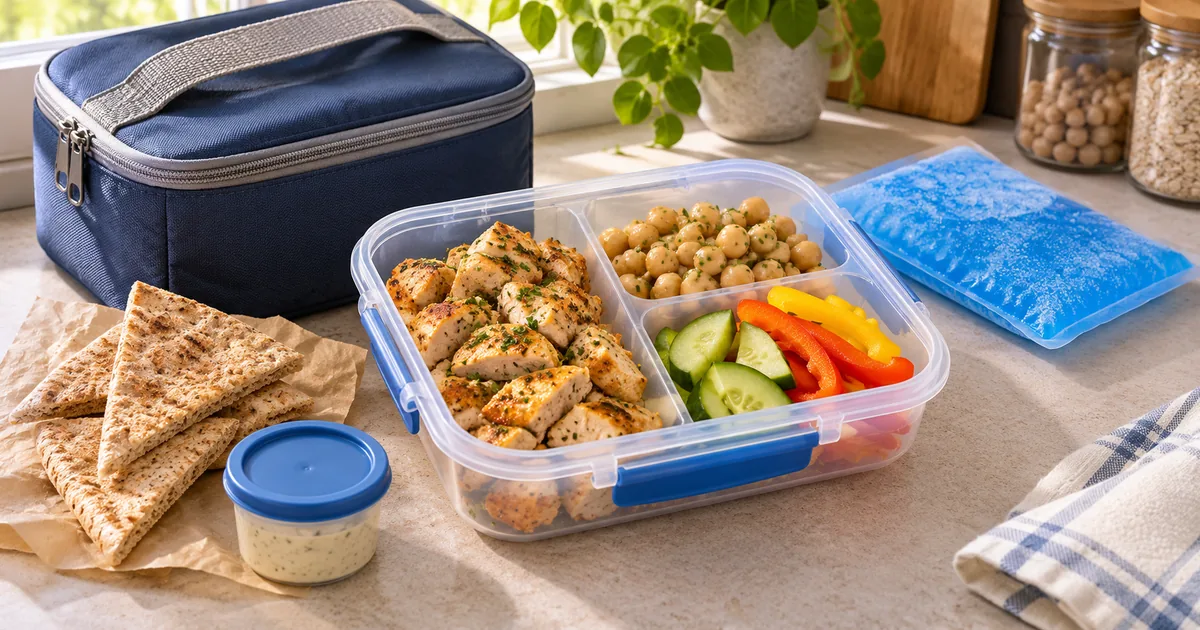
| Chicken pita box | Safely cooked and chilled chicken, cucumber, pepper, wholegrain pita | Pita and yogurt or other suitable dressing | You have suitable chicken left from dinner |
| Tofu grain bowl | Ready-to-eat tofu prepared as its label directs, cooked grain, shredded vegetables | Dressing and crunchy topping | You prefer a plant-based bowl |
| Chickpea lunch plate | Drained chickpeas, vegetables, bread, plus a suitable additional protein food if desired | Bread and lemon dressing | You want a flexible assembly lunch |
For the chicken box, cut the vegetables into pieces that fit the container and slice the pita for filling at lunchtime. The tofu bowl works with a grain already safely prepared and stored, avoiding a separate cooking project in the morning.
For the chickpea plate, choose a combination you genuinely enjoy. You might add a portion of plain yogurt, tofu, or another appropriate food, depending on your diet. Follow each product’s preparation and storage instructions; canned convenience does not make an opened or assembled lunch shelf-stable.
These formats reflect the salads, wraps, and grain-based lunches visible in Good Food’s work-lunch collection. The useful next step is deciding how one option fits your actual evening and commute.
How do you assemble one lunch from dinner ingredients?
Work through a realistic chicken-pita box
Suppose Lina has safely cooked and promptly refrigerated chicken from tonight’s dinner, a cucumber, a pepper, plain yogurt, and wholegrain pita. Tomorrow she has a refrigerator at work but no microwave. She chooses a cold pita box because its ingredients suit the facilities she knows she has.
She first checks that the chicken is still within its safe storage period and has been kept refrigerated. Packing it for work does not restart that period. If its storage history is uncertain, she chooses a different suitable ingredient instead of trying to rescue it with dressing.
She portions the chicken into a clean container, adds washed and cut vegetables in another compartment, and puts yogurt dressing into a separate sealed pot. The pita stays outside the wet compartment. She packs the chilled components straight from the refrigerator into her insulated bag with a cold source.
Make the decision explicit
At work she refrigerates the perishable components promptly. At lunch she fills the pita and adds dressing, keeping the bread out of moisture until she is ready. The expected result is a cold, crisp lunch with less morning cooking, not a promised protein number.
If she later wants a nutrient estimate, she weighs or otherwise measures her actual portions and uses the relevant product information. If she needs a different overall amount of food, she adjusts the complete meal rather than simply shrinking everything to fit the container.
How do you keep the meal cold on the journey?
An insulated bag is part of the plan; it does not replace keeping perishable food cold. Pack chilled food with a frozen cold source and refrigerate it promptly when you reach work. Do not leave the bag in a warm car or on a desk while assuming its contents remain safe.
The Academy of Nutrition and Dietetics advises against leaving perishable lunches out of refrigeration for more than two hours, or one hour when temperatures exceed 90°F (about 32°C). Time spent preparing and transporting food counts too. These limits are not a target waiting period.
Nebraska Extension’s packed-lunch guidance similarly emphasizes an insulated container and freezer gel pack, and identifies the 40–140°F temperature danger zone. Keep cold foods at 40°F (about 4°C) or below. Equipment and journey conditions vary; the presence of a gel pack alone does not verify food temperature.
If you cannot maintain safe cold storage, change the menu to appropriate shelf-stable foods kept as their labels require until eating. Do not rely on smell, taste, or a later trip through the microwave to establish the safety of mishandled perishable food.
What makes a packed lunch pleasant to eat?
Moisture control often matters more than a complicated recipe. Keep dressing in a leakproof pot, bread away from wet fillings, and crisp toppings separate. Dry washed vegetables appropriately before packing so excess water does not collect underneath them.
Cut ingredients for the way you will eat. Long leaves and large chicken pieces can be awkward with a small office fork. Bite-size pieces and a container you can open fully make an ordinary lunch easier to enjoy, especially when your break is short.
Flavor does not require several sauces. Try a lemon dressing, a yogurt-and-herb dressing, or a seasoning you already like, checking ingredients for allergens and following storage requirements. Taste the components during safe preparation, rather than discovering at work that everything is unseasoned.
If you need more recipe inspiration, The High Protein Recipe is a relevant catalog starting point. Check a chosen recipe’s portions, preparation, and suitability for cold transport before treating it as a packed-lunch option.
How should you adjust the plan after a trial day?
Treat the first lunch as a practical test. Did you have enough food? Did the dressing leak? Was the bread still pleasant? Could you keep the chilled ingredients safely stored? Each answer suggests a different adjustment, so avoid replacing every ingredient at once.
- If bread becomes soggy, separate it from the filling.
- If the portion is insufficient, reconsider the whole meal and your needs.
- If assembly takes too long, simplify the number of components.
- If refrigeration is unreliable, change storage arrangements or choose suitable shelf-stable food.
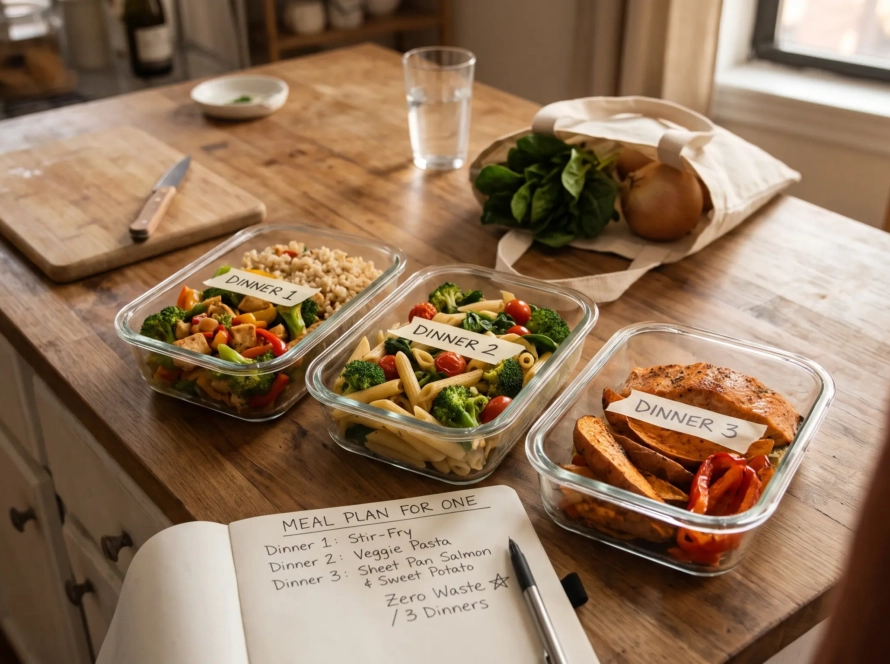
Repeat the successful format with one change, such as tofu instead of chicken or different vegetables. Reusing a format reduces decisions while leaving room for variety. Our meal-planning guide for one person can help connect dinner ingredients with a realistic next use.
Keep the recipe and the packing method together in your notes. “Chicken pita” tells you what to eat; “pita separate, dressing sealed, cold storage arranged” tells you how to make it work.
Conclusion
Choose one lunchbox plan tonight and check tomorrow’s refrigeration before preparing food. Pack the components so they stay safe and pleasant to eat, then make one specific adjustment after your trial day. A repeatable lunch starts with a workable plan for your actual workplace.
Frequently Asked Questions
Do I need protein powder to make a work lunch?
No. You can build a lunch around ordinary foods that provide protein. Whether a meal meets your individual needs depends on the actual ingredients, portions, and the rest of your diet. For a medically prescribed diet or personal nutrition target, use guidance specific to your circumstances rather than a generic lunch label.
Can I prepare all five work lunches on Sunday?
Do not assume that one preparation day gives every ingredient a five-day refrigerated life. Storage limits depend on the food and how it was handled. Plan a smaller refrigerated batch, suitable frozen portions where appropriate, or later assembly with fresh ingredients. Label dates and follow reliable food-specific storage guidance.