Useful high-protein pantry staples include canned or dried legumes, canned fish, nuts, seeds, and nut butters. Choose foods you enjoy in practical meal portions, then add the grains, vegetables, and seasonings needed to use them. A small reserve that becomes dinner is more valuable than a cupboard full of unfamiliar products.
This guide is about planning and cooking, rather than prescribing a daily protein target. The worked example uses six pantry items across three meal ideas. You will also learn why dry, cooked, and drained quantities need different checks and how to replenish only what your household actually uses.
Key Takeaways
- Choose protein foods with a meal in mind.
- Distinguish dry weight, cooked weight, and drained contents.
- Use a short reserve list before expanding the cupboard.
- Follow storage instructions after opening, even for foods sold shelf-stable.
Which protein foods belong in a practical pantry?
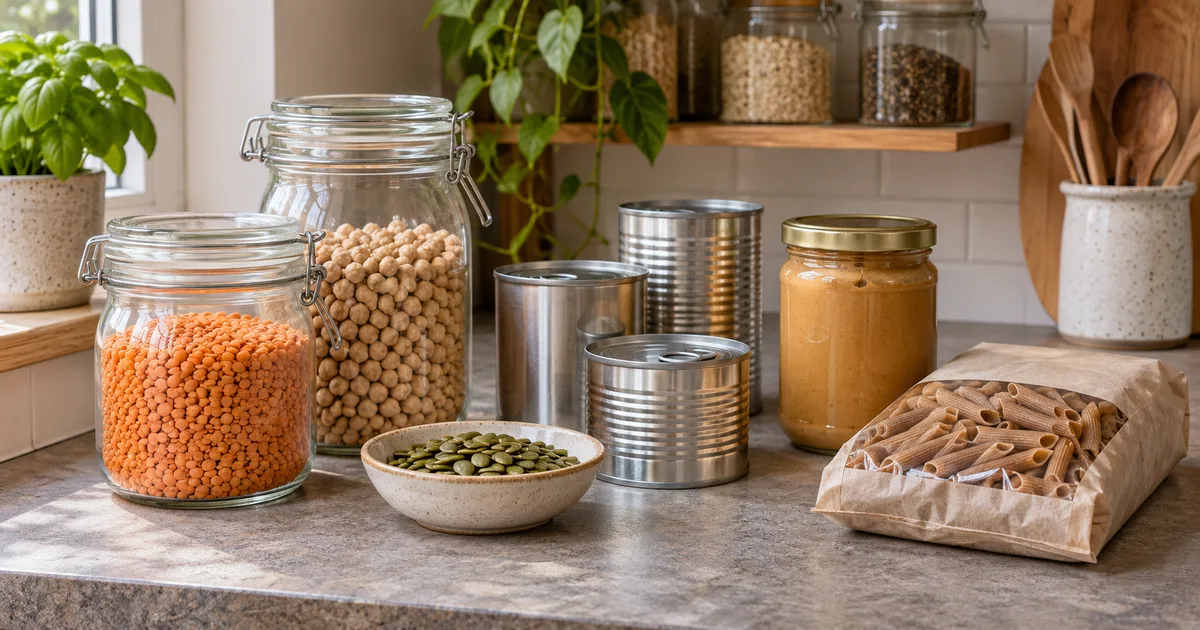
Start with legumes such as lentils, chickpeas, and beans. Canned versions are convenient when you need a meal with little preparation. Dried versions offer different cooking choices, but their preparation requirements matter. Buy the form that fits how you actually cook on a busy evening.
Canned fish can provide another ready-to-use option. Nuts, seeds, and nut butters can contribute to meals and snacks, with different textures and flavors. Canada’s Food Guide includes legumes, fish, nuts, and seeds among protein foods. Use variety according to your preferences and any ingredients you avoid.
Choose products by their whole role in a meal. A spoonful of seeds used as a finishing touch is different from a substantial serving of beans. Check the portion and the label when protein content is part of your decision, rather than relying on the word protein on the front.
The Academy of Nutrition and Dietetics’ grocery-list guide includes legumes, nut butters, and canned seafood. Read each product’s storage instructions.
What does a small starter list look like?
For the worked example, imagine a household that enjoys fish, legumes, pasta, and peanut sauce. Its six-item reserve consists of canned lentils, canned chickpeas, canned fish, peanut butter, wholegrain pasta, and canned tomatoes. The first four provide the chosen protein ingredients; the last two make them easier to assemble into meals.
This is an illustrative list, not a requirement to eat these foods. A household avoiding fish could choose another legume it uses regularly. A peanut allergy or a dislike of peanut sauce calls for a different ingredient and meal plan, not an obligation to follow the example.
| Item | Main job in this reserve | Example use |
|---|---|---|
| Canned lentils | Ready-to-use meal base | Tomato-lentil pasta sauce |
| Canned chickpeas | Versatile legume | Warm bowl or pasta salad |
| Canned fish | Alternative protein ingredient | Fish-and-chickpea salad |
| Peanut butter | Sauce ingredient | Chickpea bowl with a peanut dressing |
| Wholegrain pasta | Meal foundation | Warm pasta or a cooled salad |
| Canned tomatoes | Sauce and moisture | Lentil sauce or warm chickpeas |
Keep ordinary cooking basics, such as oil, herbs, and spices, in mind separately. Add vegetables you already buy, including suitable frozen choices. The six items are a reserve structure, not a claim that six packages supply everything your diet needs.
Check the cupboard before shopping. Plan a meal around what you already own, then buy only the missing ingredients.
How do you compare dry, cooked, and canned products?
Read what the label’s reference quantity describes. A dry lentil portion and an equal weight of cooked lentils contain different amounts of water. A can’s total weight may include liquid that you drain away. Comparing those numbers as if they describe the same food portion can mislead you.
For a canned product, check whether nutrition information refers to the contents as sold or a drained serving. For dried legumes or pasta, check whether the values describe the dry product or a prepared portion. Use the form you will actually measure when following a recipe or calculating a meal.
Check convenience as well as the package price
A large bag of dried beans may suit a household that regularly soaks and cooks them. It may be a poor emergency choice if you expect an immediately ready ingredient. Follow the package’s preparation instructions; do not substitute a short warming step for the full cooking process a dried product needs.
This example uses canned legumes for immediate preparation. If you already batch-cook dried legumes, adapt the reserve. Compare usable servings, preparation time, storage, and waste.
Health and Wellbeing Queensland’s pantry guide discusses combining long-life ingredients with grains and vegetables. Use that meal-based view when comparing products. A useful purchase should connect with something you know how to prepare.
How can six pantry items become three meals?
Choose one meal to cook first, then use the remaining reserve in other formats. These are flexible assemblies rather than nutrition-analyzed recipes. Follow package instructions for cooking the pasta and for handling the individual foods.
Meal one: tomato-lentil pasta
For a starting single portion, cook about 80 grams of dry pasta according to its package. Meanwhile, warm a little oil in a pan, add a pinch of garlic powder and paprika, then stir in about 150 grams of canned tomatoes and 100 grams of drained canned lentils.
Simmer gently until the sauce tastes combined and has the texture you want. Add a small splash of water if it thickens too far. Toss with the cooked pasta and add a suitable cooked vegetable if available. Taste before adding salt, since canned ingredients and seasonings vary.
Suppose the first attempt feels too thick and rather flat. Add a little cooking water to loosen it, then a small splash of lemon juice or vinegar if that suits the flavor. The result should be a sauce that coats the pasta, with a clearer flavor balance. Change one thing at a time so you know what helped.
Meal two: chickpeas with a peanut sauce
Warm ready-cooked chickpeas with a little water. In a separate bowl, loosen a spoonful of peanut butter with warm water, added gradually, and season to taste with ingredients you normally use. Combine with the chickpeas and serve with vegetables and a suitable grain or bread you have available.
Meal three: fish-and-chickpea pasta salad
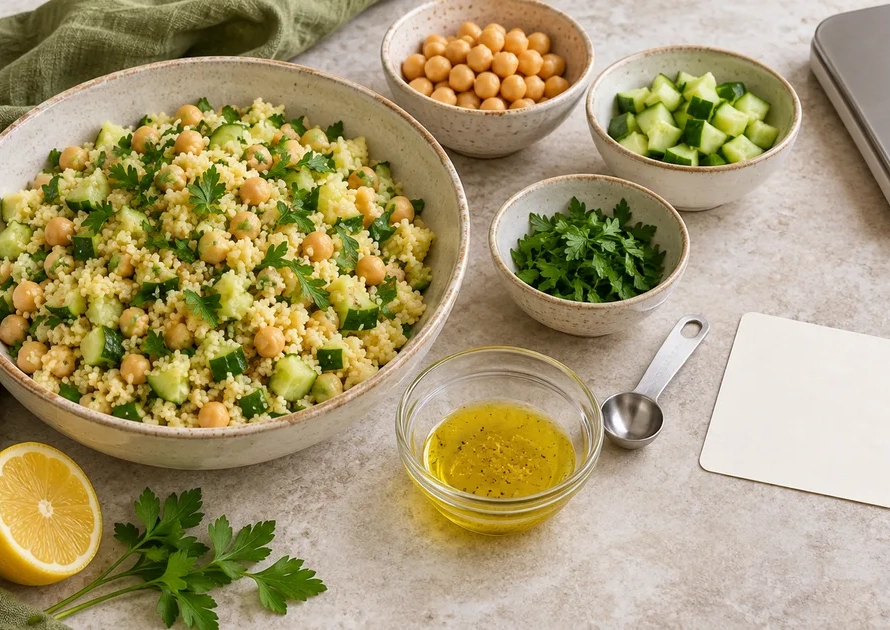
Use canned fish and drained chickpeas with freshly prepared pasta cooled appropriately for the salad. Add vegetables such as chopped cucumber or cooked peas when available, then dress lightly with oil, an acidic ingredient, and herbs. Adjust the quantities to your appetite and package portions rather than assuming one can always equals one serving.
These meals share ingredients but differ in sauce, temperature, and texture. For a wider set of ideas, The High Protein Recipe is a related BestDigiBooks cookbook. Check its recipes separately when you need their exact quantities.
How should you organize storage and opened foods?
Keep unopened items according to their labels, in suitable conditions, and organize older purchases where you can find them. Inspect packaging before use and follow the date and storage information for the product. Do not treat an obviously damaged or suspect package as a reason to improvise.
After opening a tin, jar, or long-life product, follow its refrigeration and use instructions. Transfer or cover food as the product guidance requires and identify what it is. An item sold on an ordinary shelf may need refrigeration once opened.
Plan for the remainder before opening. If a can provides more lentils than you want for one meal, decide how to use the rest within the applicable storage guidance. Cooked pasta and prepared salads also need appropriate handling; pantry ingredients do not make a finished meal shelf-stable.
Keep open items visible and identifiable. A short reminder can help you finish them. Store food away from cleaning products.
How do you replenish without overbuying?
Replace according to use, not an imagined perfect pantry. After trying the three meal formats, note which you would happily repeat. If peanut sauce went untouched while tomato-lentil pasta worked well, buy fewer sauce ingredients and keep the combination you used.
Choose a minimum reserve for your household, such as enough for one or two fallback meals. Check it before your normal shop. There is no need to fill every shelf or buy multiple versions of an ingredient that serves the same purpose.
Use our practical dinner ideas when you want to connect the reserve with fresh meals. Keep the shopping decision tied to a planned use so new ingredients do not become permanent cupboard residents.
Review after a few ordinary weeks: were ingredients easy to use, opened food finished, and meals practical? Let those observations shape your next shopping list.
Conclusion
Choose two protein ingredients you already enjoy and identify the meals they will support. Try one assembly, record the adjustment that improved it, and check how you used the remaining food. Build the reserve around those real habits before adding more products.
Frequently Asked Questions
Do I need protein powder in a pantry reserve?
No. This meal-planning approach can use ordinary foods. If you already use a powder, treat it as an additional product with its own portion, preparation, and storage instructions. Buying it is not a substitute for deciding which meals the rest of your cupboard can produce.
Can a vegetarian household use the same approach?
Yes. Choose legumes and other suitable protein foods you enjoy, then plan meals around their preparation requirements. Replace the fish meal with another legume-based option or a product you use regularly. Check labels and allergens, especially when substituting a shelf-stable product for one normally kept refrigerated.